
Field Notes
How Often Should Solar Panels Be Cleaned in Oregon?
· 7 min read · solar cleaning, maintenance, oregon, scheduling
Oregon rain rinses loose dust but leaves pollen film, sap, and road grime behind. Here is a realistic cleaning schedule for homes and businesses across the greater Portland metro, and why timing matters as much as frequency.
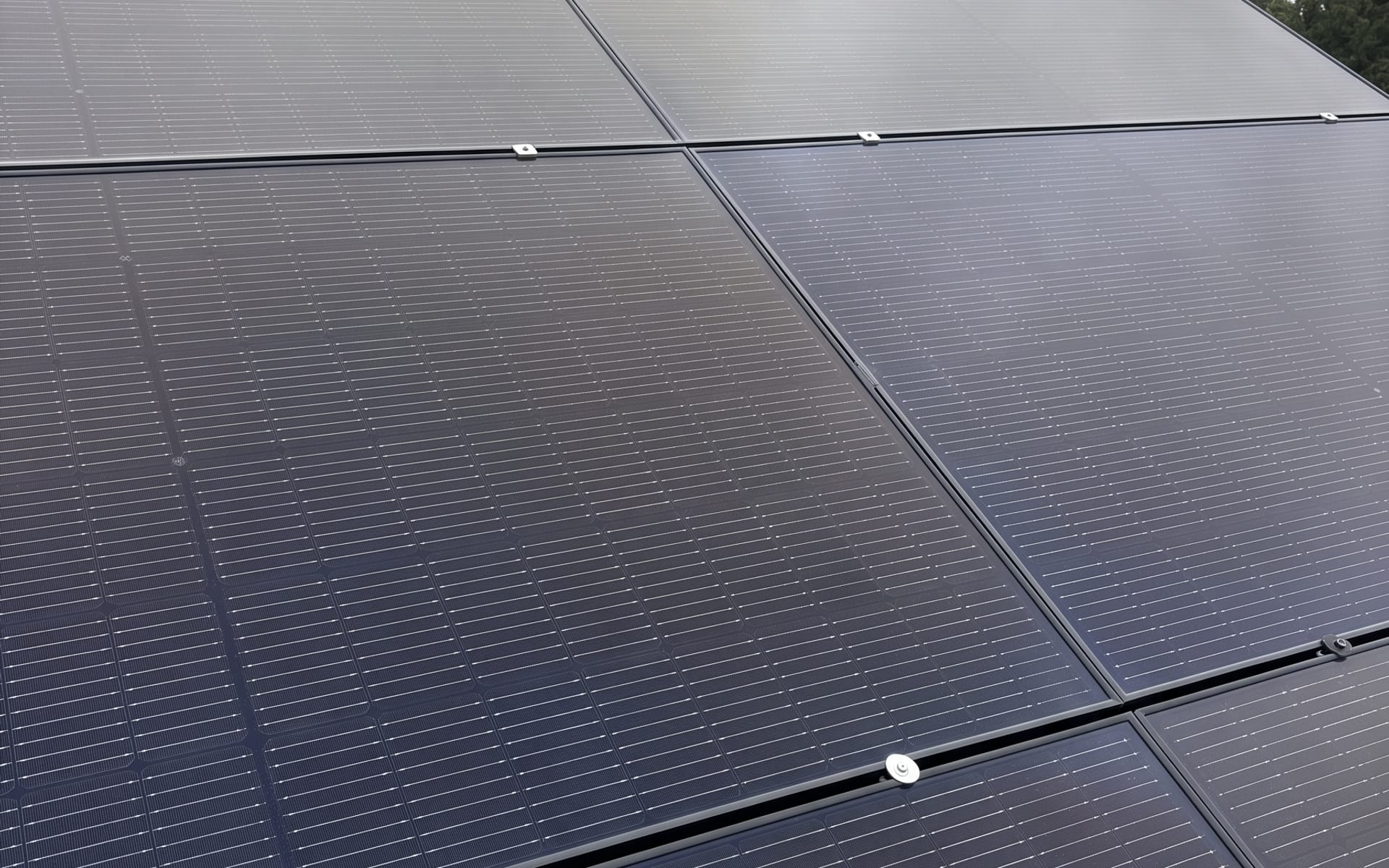
Oregon rain does a lot of the work for us, but it doesn't do all of it. People hear "it rains nine months a year here" and assume their panels are self-cleaning. Rain rinses off loose dust, sure, but it doesn't touch the sticky stuff: pollen film, diesel soot along the highways, bird droppings, or the fine gray dust that settles during our dry summers and then bakes onto the glass. That residue is what actually drags down energy output, and it's the reason the question of how often to clean comes up so often for homeowners and business owners around the greater Portland metro.
What Actually Dirties Panels Here
Western Oregon has a weather pattern that's a little unusual compared to drier climates. We get heavy rain from fall through spring, then a long dry stretch from June through September where almost nothing washes off the roof. That dry stretch lines up almost exactly with peak pollen season and the highest sun angle of the year, which means panels are often dirtiest right when they'd otherwise be producing the most power. Add in Douglas fir pollen, wildfire smoke drift in late summer, and the general road grime that collects near I-5 or 99W, and you've got a layer of film that plain rain can't rinse away.
Tree cover matters too. A lot of homes in Sherwood and the surrounding suburbs sit under mature firs and maples, and those trees drop sap, needles, and seasonal debris straight onto the array. Panels under or near tree canopy get dirty faster than panels on an open rooftop with a clear southern exposure, even if they're only a few miles apart.
A Realistic Cleaning Schedule
For most homes in the area, once a year is a reasonable baseline, ideally timed for late spring after pollen season winds down and before the long dry summer stretch when sun exposure is highest. That's the idea behind our Annual Maintenance Plan: one scheduled visit, timed right, so you're not thinking about it and your system isn't losing output to a season's worth of buildup.
If your property sits near trees, a busy road, or farmland, twice a year makes more sense. Pollen season in spring and the dry, dusty stretch of late summer both leave their own layer of grime, and letting both sit on the glass until fall rain finally arrives means months of reduced output. Our Semiannual Maintenance Plan is built for exactly that situation, and it's genuinely our most thorough option for arrays that take more punishment than average.
Commercial and ground-mount systems follow the same logic but at a different scale. A large rooftop or tracker array can have a lot more surface area exposed to dust and bird activity, and even a small percentage drop in output across hundreds of panels adds up fast on a utility bill. Our commercial cleaning service handles rooftop, ground-mount, and tracker arrays up to 2,700 panels, with before-and-after photo documentation and a report on every job, so building owners and facilities managers have a record of what was done and what it looked like beforehand.
Why Timing Matters More Than Frequency Alone
It's not just about how many times a year you clean, it's about when. A cleaning done right before the fall rains start is mostly wasted effort, because the rain will knock off most of the loose debris anyway. The more valuable timing is right before your highest-production months, late spring into summer, when every bit of extra sunlight hitting clean glass actually translates into measurable energy gains. That's why we talk through timing with homeowners rather than just scheduling on a fixed calendar date.
We had a homeowner in Sherwood whose roof sits under a line of mature firs, and every spring the gutters and panel frames would fill with a visible dusting of yellow-green pollen within about two weeks of the trees letting go. Switching that property to the semiannual plan, with one visit right after pollen season and one in late summer before the fall rains, made a noticeable visual difference compared to waiting for rain to do the job on its own.
It's Not Just the Panels
While a crew is already on the roof with the water-fed brush system, it's worth thinking about the rest of the house too. We use the same deionized water process for window cleaning, which leaves no hard-water streaks or chemical residue, and plenty of customers bundle that in with a panel cleaning visit since the equipment and the technician are already on site. It's a small efficiency, but it saves a separate appointment.
If you're planning a bigger exterior project around the same time, like gutter work or roof repairs, it's worth asking about who else can help. We work alongside other local trades in the area, and for renovation or roofing work that goes beyond cleaning, Cornerstone Renovations is a good local resource to ask about.
Inspection Is Part of Every Visit
Every cleaning we do includes a visual inspection, not as an upsell but as a standard part of the job. A technician who is already up close to every panel is in a good position to notice a cracked cell, a loose connector, or a mounting issue before it turns into a bigger repair. That inspection and maintenance step is folded into the price of cleaning, whether it's a one-time visit or part of an annual or semiannual plan, and it's often how small problems get caught months before they'd show up on a monitoring app or a power bill.
For homeowners who are deciding between a one-time cleaning and a recurring plan, it usually comes down to how much shade and debris the roof deals with over the course of a year. A newer build on an open lot with little tree cover might genuinely be fine with an annual visit for years. An older roof tucked under conifers, or a commercial array near a gravel lot or busy road, is going to benefit from the extra visit built into the semiannual option.
Getting a Straight Answer for Your Property
Every roof is a little different, and the honest answer to "how often" depends on your specific trees, roof pitch, panel angle, and how close you are to traffic or farmland. Rather than guessing, it's worth getting a free written quote and letting a technician look at the actual conditions on your roof. For businesses with larger systems, the same applies through our commercial cleaning page, where custom quotes account for panel count, access, and array type.
If you're not sure which plan fits, just ask. We'd rather talk through your specific setup than have you overpay for visits you don't need or underclean a system that's losing real output to buildup.
FAQ
How often should solar panels be cleaned in Oregon?
Most homes in the greater Portland area do well with one cleaning a year, timed for late spring after pollen season. Properties near trees, highways, or heavy pollen usually benefit from two visits a year instead.
Does rain clean solar panels enough on its own?
Rain removes loose dust but doesn't fully clear sticky residue like pollen film, sap, or road grime. That buildup can sit on panels for months, especially during Oregon's dry summer stretch, and quietly reduce energy output.
What's the difference between the annual and semiannual plans?
The annual plan covers one scheduled cleaning and inspection per year, which suits most open rooftops with little tree cover. The semiannual plan adds a second visit for arrays near trees, highways, or heavy pollen that need more frequent attention.
Can I bundle window cleaning with a solar panel cleaning visit?
Yes, the same deionized water system used on panels is also used for window cleaning, and many customers schedule both on the same visit. It saves a separate appointment and leaves windows streak-free without chemicals.